SageD was recently awarded a grant to support our Giving Circle. These funds will be redistributed to organizations and community leaders who are doing direct service work in Atlanta. This effort is rooted in our mutual aid model, where we pool resources and allocate them in ways that are equitable, community-centered, and responsive to real needs.
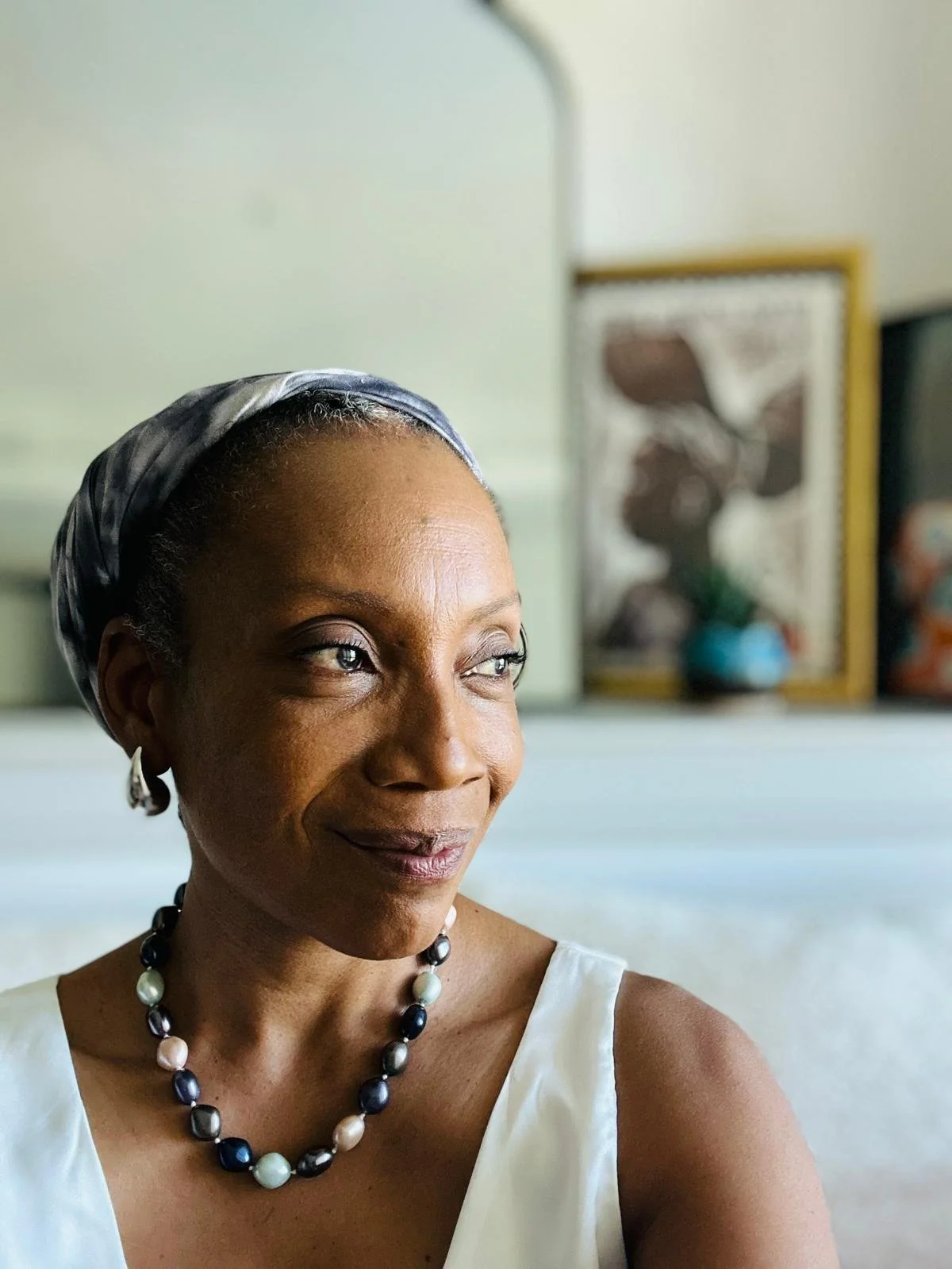
As we prepare to launch the Giving Circle grant process, we asked member Lita Hooper to reflect on what this moment means for the Collective and the leaders it will support. Lita is leading the advisory council for this initiative and has spent years working in education and with nonprofit organizations. Here, she shares why this approach to funding feels different.
What is the Giving Circle grant process, and why is it important to the collective?
This is really about supporting people connected to the Collective who are doing direct service work. But it’s not just about giving out funds, it’s about how we do it. We’re learning more about each other’s work and figuring out how to support one another in a more intentional way.
Leading the advisory board, I’m thinking a lot about the decision-making process itself, making sure it’s fair, transparent, and grounded in respect for the work people are already doing.
How is this different from a traditional grant process?
Most grant processes are transactional. You apply, someone reviews it, and then you either receive funding or you don’t. But this feels more relational because there’s an opportunity to build awareness and connection as part of the process.
What has stood out to you personally as you’ve been part of this process?
What stands out is how much this creates visibility for the work people are already doing. There are leaders doing meaningful, community-based work that others may not fully know about. This process creates a reason to slow down and really see that work.
I’ve worked with nonprofit leaders for years, and honestly, funding is always a struggle—especially for things like professional development or basic operations. Most are focused on just keeping things going. This process feels different because it acknowledges that reality and is intentionally designed to support it.
You’ve mentioned relationships a few times. Why do they matter so much here?
Because relationships are often the missing piece. Many people are doing this work without consistent access to networks, partnerships, or support systems. Funding helps, but it doesn’t solve everything.
I’ve worked with leaders who are deeply committed to their communities but are also carrying a significant emotional and financial burden. There’s a real toll that comes with trying to sustain this kind of work over time. Strong relationships can help ease that burden. They open the door to shared resources, new opportunities, and a sense that you’re not doing this alone.
What are some practical ways members can support each other during this time?
There are a lot of simple, actionable ways to do this. Making introductions across networks is one. Sharing tools, resources, or lessons learned is another. Showing up for someone’s event or helping amplify their work also makes a difference.
What do you hope comes out of this beyond the grant itself?
I hope this leads to stronger connections across the Collective. I want members to leave this process not only with resources, but with a clearer sense of who they can reach out to, collaborate with, and learn from. If that happens, the impact will last longer than the funding cycle.
How does this reflect the purpose of the SageD Collective?
It reinforces that we’re not just here to tap into opportunities—we’re here to build something together. And this is one way we’re being more intentional about how we invest in each other’s work.
What does this experience mean to you personally?
Being part of this effort feels like a step in a different direction. It’s about funding, yes, but it’s also about creating a support system that’s often missing. And I think the real question is what we do beyond this moment. How we keep showing up for one another over time.
Lita Hooper an educational analyst and owner of My Learning Pro. She designs online learning experiences and presentations for solopreneurs and nonprofit organizations.